What is Supported Independent Living? Understanding SIL in Simple Terms
What is SIL?
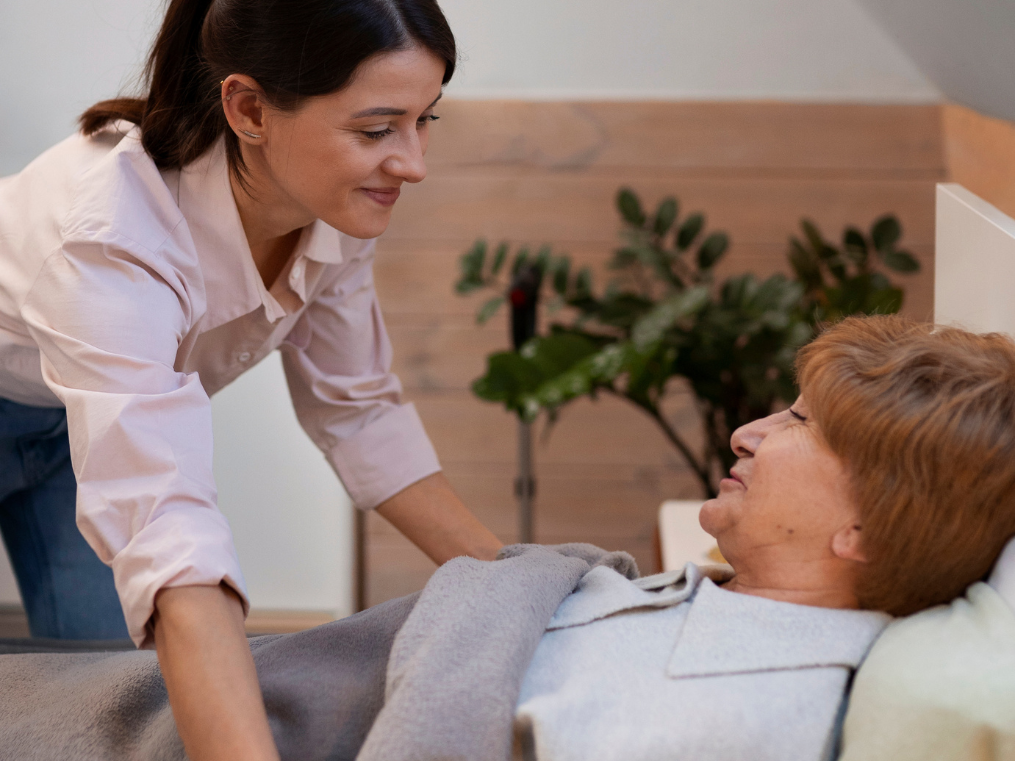
It's obvious that people with disabilities need support at different levels to have an easy and independent life. Not only day-to-day activities like cleaning, basic finances, cooking, and personal care, the well trained staff offers support to participants in building skills, confidence, and independence. This funded support and more, like SIL Accommodation, play a crucial role in making the lives of participants much easier.
SIL Accommodation
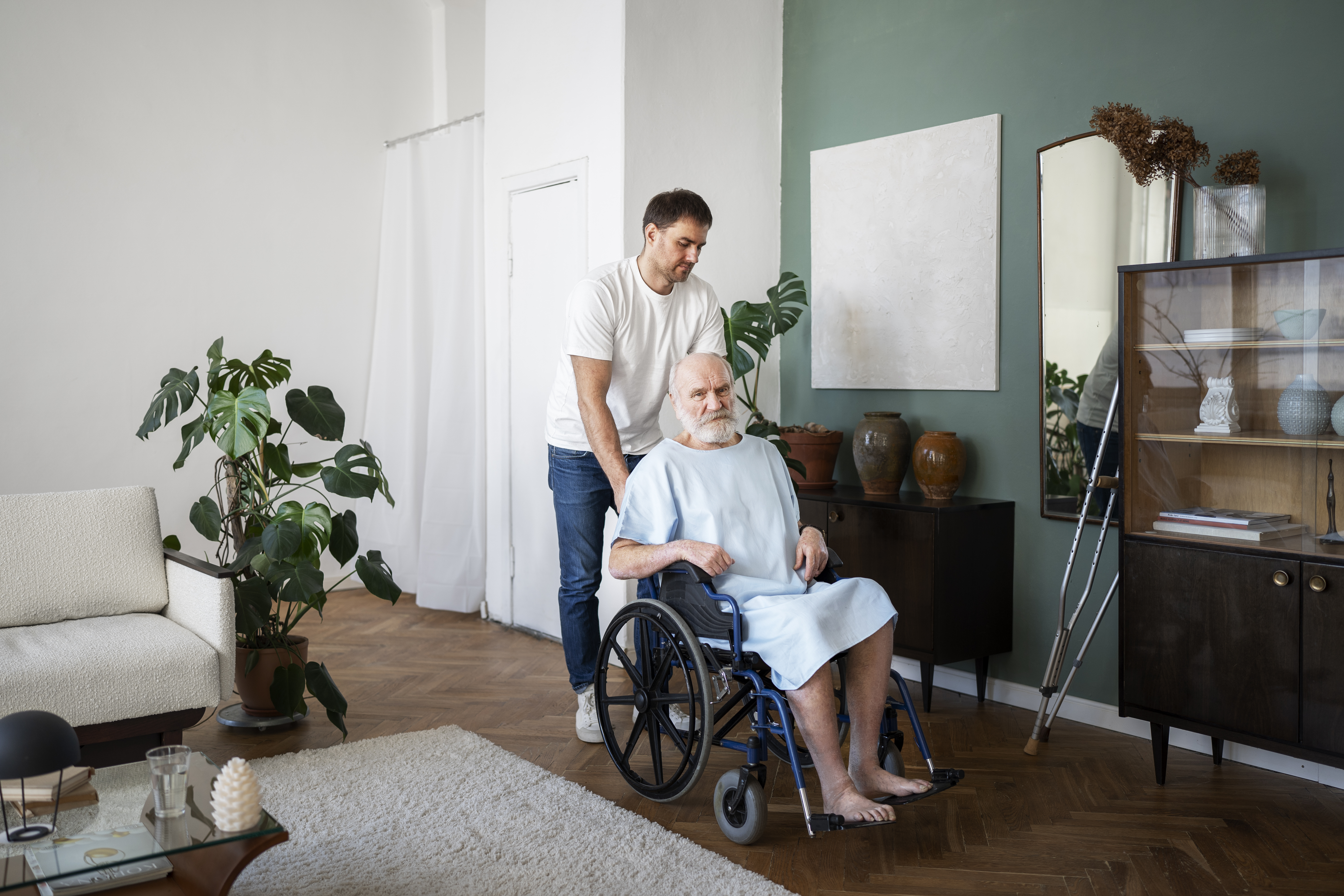
SIL accommodation includes homes or apartments where NDIS participants live with support. Each participant's needs may vary, and SIL is equipped to accommodate specific requirements. It can be SIL housing, shared houses, group homes, or independent living spaces, as per individual needs. These set ups provide at most comfort and accessibility, along with shared areas like kitchens or lounges, all while promising privacy. Personalized support plans and opportunities to develop life skills are key features of SIL accommodation.
SIL vs SDA
SIL and SDA are two terms that are often mistakenly used interchangeably. Understanding the difference between Supported Independent Living (SIL) and Specialist Disability Accommodation (SDA) is important:
- SIL: It is designed to make tasks like personal care and household chores easy for people with disabilities. This is done with the help of expertly trained staff, ensuring that individual requirements are met.
- SDA: This system concentrates on the home itself, by working on alterations that help the ones in need, including ramps, wide corridors, and other accessibility features.
Although both are different, many candidates may benefit from both, blending a convenient home with daily support to live independently.
SIL Funding and Eligibility
Whether you are looking for SIL Accommodation, housing, or other services under Supported Independent Living, SIL funding is part of an NDIS plan which covers the cost that comes under the system. The participants’ needs will be thoroughly assessed to decide the level of support. In general, SIL is ideal for those with medium-to-high support requirements who need ongoing assistance to manage daily living independently.
Types of SIL Support
- Personal care: Bathing, dressing, grooming, and medication assistance.
- Daily living support: Cooking, cleaning, and laundry.
- Skill-building: Money management, shopping, and using public transport.
- Community engagement: Social activities and participation in community events.
Choosing the Right SIL Provider
When choosing a SIL provider, consider experience, trained staff, a personalized approach, and a supportive environment, especially when considering SIL Housing or accommodation. The right provider ensures participants feel safe, empowered, and supported to reach their goals.
Benefits of SIL
Supported Independent Living helps participants gain independence, build essential life skills, engage socially, and gives peace of mind to families. With SIL, NDIS participants can live a safe, supported, and fulfilling independent life.
Empowering Angels is one of the most trusted NDIS service providers, we are on a mission to create a better future for people living with disability. We are capable of providing personalised services for you, whether it is highly complex or as simple as doing household work. Reach out to us today and let us change lives together.